
Reflection · Project
What Breaks a Project Isn't What You Think
The failure of a project is decided long before it begins.
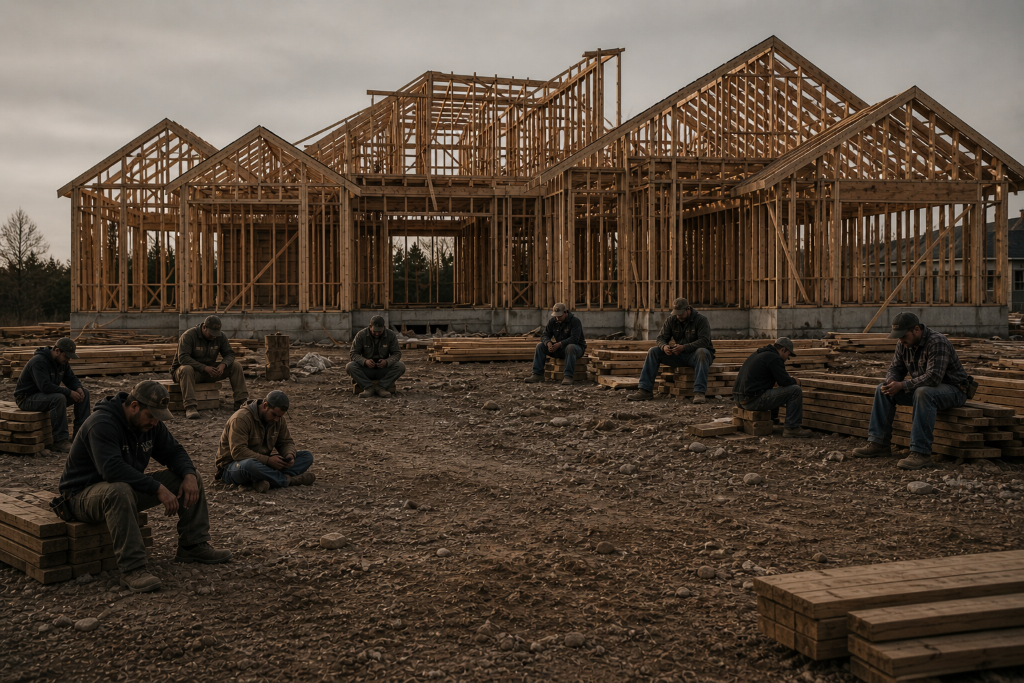
Most projects don't fail because there isn't enough money. They fail because of how the money is spent.
Construction projects move through many hands.
From architects to contractors and various specialists,
multiple teams are involved at the same time.
What may look simple from the outside
is, in reality, a highly coordinated process—
much like an orchestra.
What disrupts that structure
is not technical skill.
It comes down to the owner—
their mindset, their standards, how they perceive value,
and their respect for the people they work with.
Ironically,
most people don't actually know
what a project should cost.
And from that point,
they expect several times the result
for what they are willing to pay.
The moment that expectation appears,
the right people step away.
Those who understand their value
don't stay under those conditions.
What remains
are people with limited experience
or unproven ability.
From there, the outcome is almost predictable.
Progress slows.
Miscommunication increases.
Inspections begin to fail.
These may seem like separate issues,
but they all stem from the same source.
The wrong decision was made at the start.
It often begins with a lower cost.
But over time,
delays, revisions, and hidden expenses accumulate.
In the end,
it costs far more.
This is not a technical issue.
It's a matter of choice.
In this field,
once things go off track,
it is very difficult to correct.
And yet,
today I watch another project step onto this same path—
knowing exactly where it leads.