
How-To · Color & Space
The Science of Space: Colors That Make a Room Look Bigger
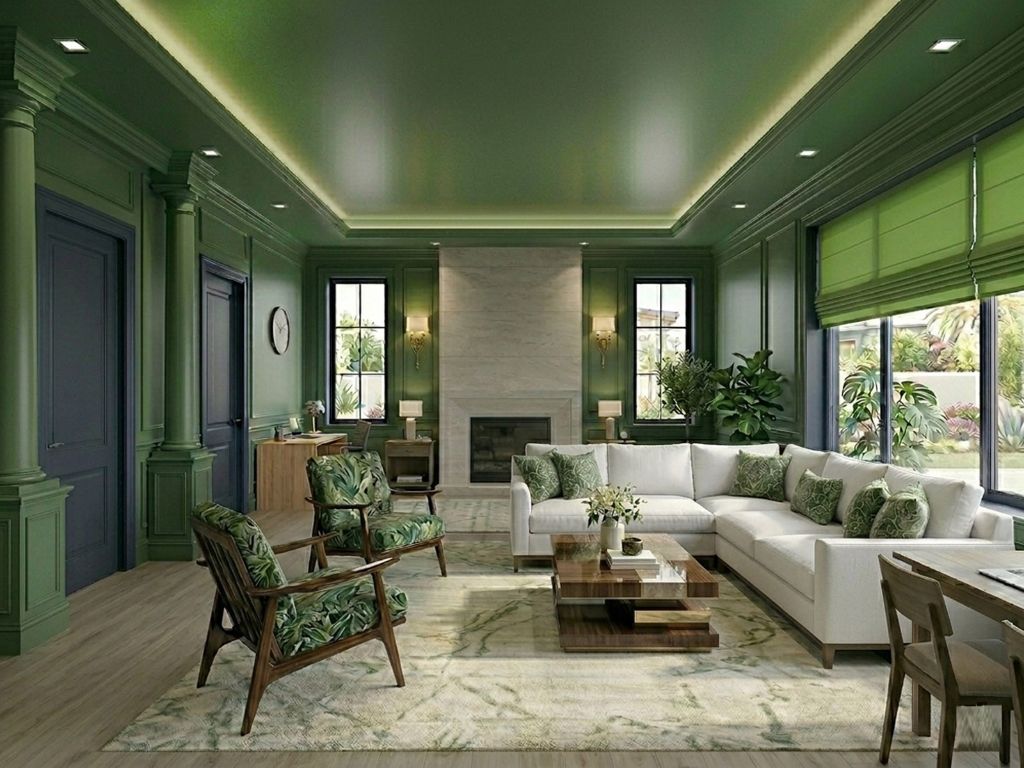
The notion that "bright colors make a room look larger" is only a partial truth. The actual perceived volume of a space is determined by the sophisticated interaction between a wall's Light Reflectance Value (LRV) and the Color Temperature (Kelvin) of the light that illuminates it. Below is a strategic guide to spatial expansion based on physical data and engineering principles.
1. The Power of LRV 80%+: The Magic of Reflective White
LRV (Light Reflectance Value) measures the percentage of light a color reflects, ranging from 0 (Black) to 100 (White). In confined spaces, selecting a color with an LRV of at least 70% is essential to diffuse light outward rather than trapping it within the walls.
- Benjamin Moore – Simply White (OC-117) / LRV: 89.52
With a reflectance value nearing 90%, this color physically brightens dark hallways and narrow living areas, effectively blurring the boundaries of the room. - Dunn-Edwards – Cool December (DEW383) / LRV: 88
Engineered to maintain its weight without washing out under intense sunlight, this cool white is exceptional at visually pushing walls outward.
2. Lighting Engineering: Maximizing Volume Through 'Light Layering'
The placement of Color Temperature (K) is just as critical as the paint itself. Lighting dictates color rendering and dynamically reconfigures the room's perceived volume.
- 4000K–5000K (Cool White / Daylight): Cool-toned LED light has a shorter wavelength, which is highly effective at making a space feel expansive. Utilizing this as ambient background lighting in open living rooms or kitchens dramatically maximizes the sense of openness.
- 2700K (Warm White): While it creates a welcoming atmosphere, an overreliance on warm tones tends to visually compress a space, making it feel "cozy" but smaller. By using this temperature for accent pieces like pendant lights or wall sconces, you can maintain high-end intimacy without sacrificing the room's overall expansiveness.
- Strategic Design: A sophisticated layout requires tailored engineering—for instance, deploying full 2700K warm tones in bedrooms where rest is the priority, while layering cool and warm light in communal areas to balance scale and comfort.
3. Receding Colors and Color Drenching
Physically, cool tones like soft blues and greens have shorter wavelengths and function as "Receding Colors," appearing further away from the eye than they actually are.
- Receding Strategy: Applying a pale sage green or light blue to a wall creates the illusion that the boundary has shifted backward.
- Color Drenching: By painting walls, ceilings, and trim in the same white tone, you eliminate visual breaks. When the eye cannot find a seam, the brain struggles to measure the room's limits, resulting in a significantly larger perception of volume.
4. Professional Guide for Data-Driven Expansion
| Element | Recommended Solution | Metric / Property | Visual Effect |
|---|---|---|---|
| Main Wall Color | Benjamin Moore – Classic Gray | LRV 73.67 | Sophisticated Receding Effect |
| Ceiling Color | Dunn-Edwards – White (DEW380) | LRV 93 | Vertical Height Expansion |
| Ambient Lighting | Natural White LED | 4000K | Visual Expansion of Volume |
| Accent Lighting | Pendant / Sconce | 2700K | Intimacy and Focal Emphasis |
Expanding a room is not merely an aesthetic choice; it is an engineering approach utilizing the physics of light and color. When you establish a base with high-reflectance colors, illuminate the space with layered cool and warm lighting, and dissolve boundaries with receding hues, a confined room transcends its physical limits to become a true sanctuary.