
How-To · Color & Design
House painting ideas: Color drenching walls and ceiling
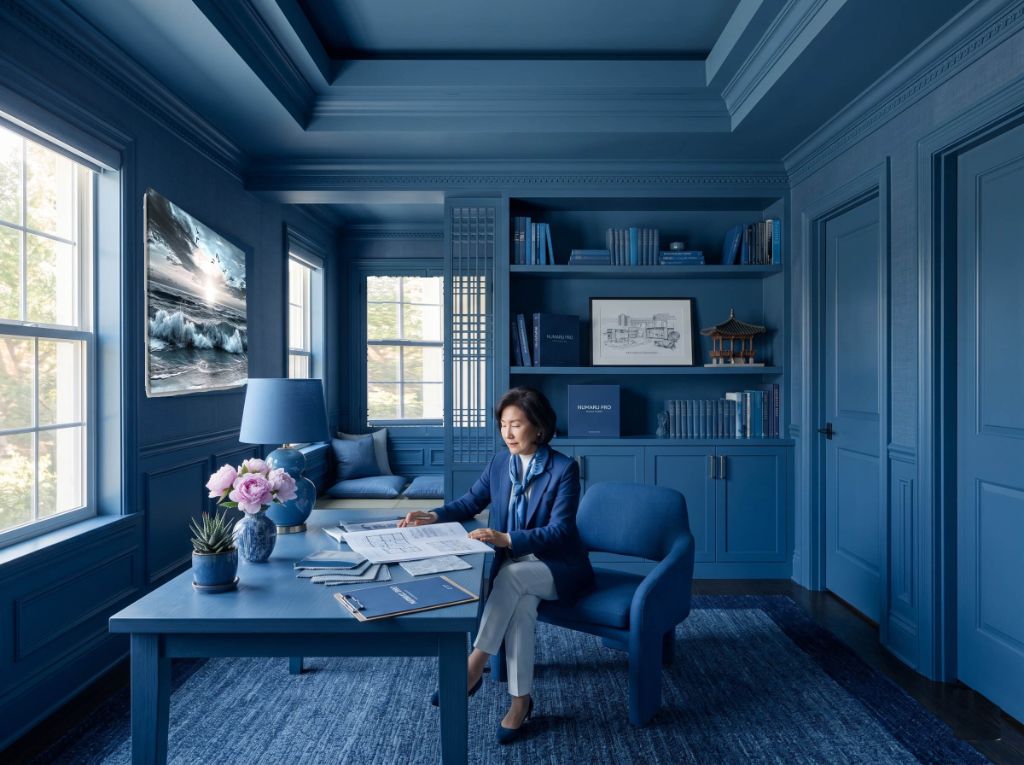
In the realm of high-end interior design, color is more than a decorative choice—it is a structural tool that defines the volume and emotional resonance of a room. One of the most compelling trends currently reshaping modern interiors is "Color Drenching." This technique involves "drenching" an entire space—walls, ceilings, moldings, doors, and even furniture—in a single, cohesive hue. By eliminating visual boundaries, color drenching creates an immersive environment that offers both architectural sophistication and psychological comfort.
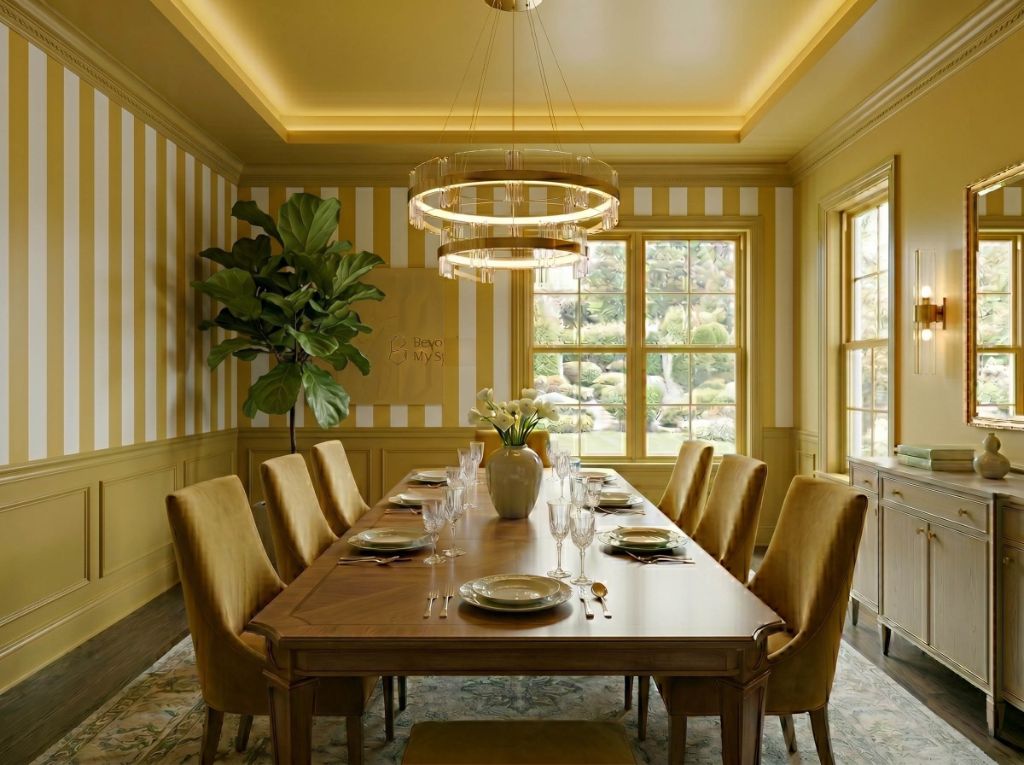
1. Architectural Expansion and the Erasure of Boundaries
Traditional interiors often create artificial boundaries by painting walls and ceilings in contrasting colors. Color drenching, however, dissolves these transition lines, allowing the eye to travel uninterrupted across the space. This seamless flow effectively "lifts" the ceiling and makes even modest rooms feel significantly more expansive. By unifying the various planes of a room into a single volumetric mass, you achieve a sense of physical openness that multi-colored palettes simply cannot replicate.
2. A Modern Reinterpretation of Molding and Detail
For homes with intricate classical moldings or complex door frames, color drenching serves as a masterstroke of modernization. When ornate details are painted in the same shade as the walls, they cease to be distracting visual noise and instead become subtle, sculptural textures. This strategy allows you to preserve historical character while presenting a clean, contemporary aesthetic. It is a sophisticated way to simplify a room's "visual vocabulary" without losing its architectural soul.
3. The Immersive Environment: Psychological Calm and Focus
A space filled with competing colors and high-contrast transitions can lead to "visual fatigue" as the brain constantly processes different stimuli. Conversely, a color-drenched room eliminates this noise, providing a profound sense of serenity. This is particularly effective in spaces dedicated to rest or deep concentration, such as bedrooms or private libraries. In these areas, the technique creates a "cocooning" effect, wrapping the inhabitant in a protective, immersive layer that fosters mental clarity and relaxation.
4. The Play of Light, Shadow, and Texture
A common misconception is that using a single color leads to a flat or monotonous appearance. On the contrary, color drenching highlights the inherent beauty of materials and textures. The same hue will react differently to the weave of a wallpaper, the grain of wood, or the sheen of silk upholstery. As natural light shifts throughout the day, the monochromatic palette reveals a rich spectrum of tones and shadows, providing a depth and dynamism that feels far more organic than a traditional two-tone scheme.
5. Highlighting Furniture and Art as Sculptural Objects
When the background of a room is unified, the objects within it gain a powerful new presence. A curated piece of furniture or a bold work of art placed against a color-drenched backdrop immediately becomes a focal point of gallery-like quality. By simplifying the background, you allow the "true protagonists" of the space—your bespoke lighting or vintage finds—to shine with maximum impact.
Color drenching is not merely a paint choice; it is a profound design philosophy that invites the inhabitant into a harmonious, boundary-less experience. While it may seem like a bold commitment, the result is a sanctuary of unparalleled elegance and tranquility. True minimalism is not about emptiness; it is about the strategic unification of visual elements to create a space that feels whole.