
How-To · Kitchen Design
Kitchen Remodel Cost Guide: Where to Invest and Where to Save
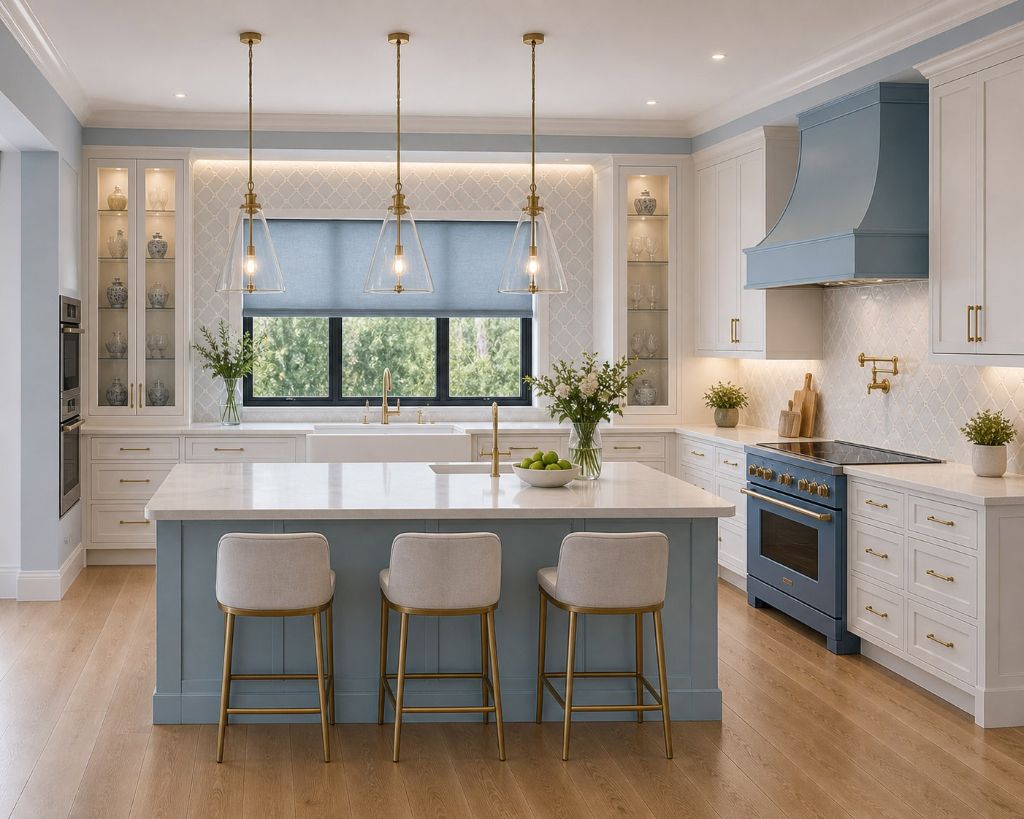
The true cost of a kitchen remodel is defined by how effectively you allocate your budget between long-term durability and immediate aesthetics. A professional approach focuses on high-utility investments that prevent future repair costs. Here is a practical breakdown of how to prioritize your kitchen renovation budget for maximum value.
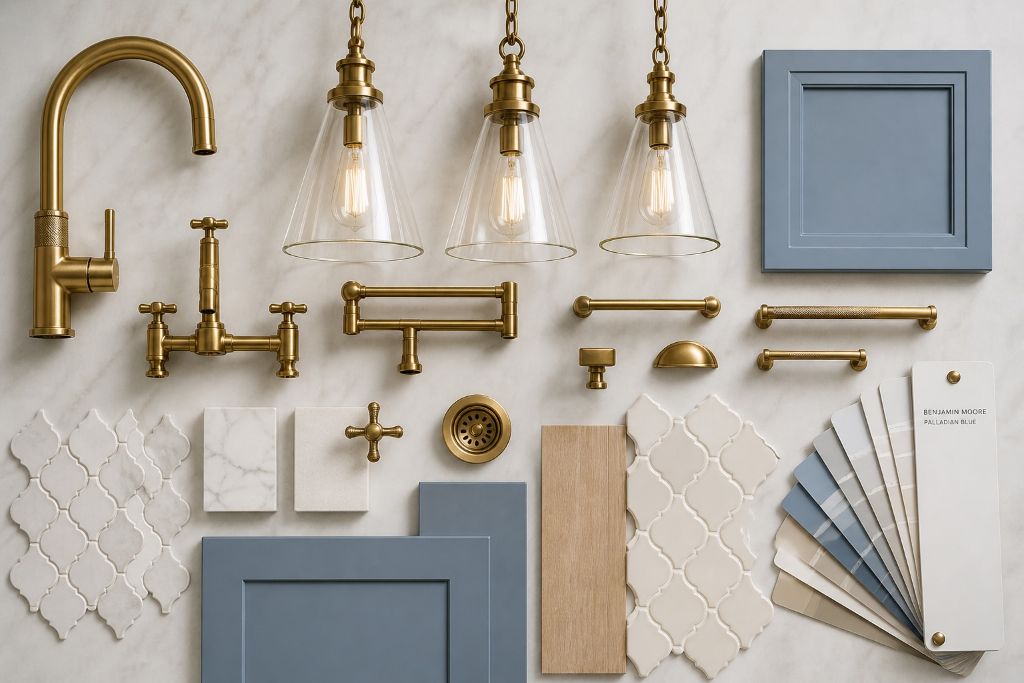
1. Prioritize Core Hardware: The Foundation of Quality
Instead of overspending on cabinet door finishes, invest in premium hinges, drawer runners, and faucets. While finishes can be updated later, the precision of a drawer's movement and the alignment of doors define the kitchen's inherent quality. Low-quality hardware leads to sagging doors and mechanical failure, while cheap faucets often require replacement within a few years. These failures result in "double spending"—paying for both a new product and the labor for re-installation. High-quality hardware serves you reliably long after inferior products have been replaced twice.
2. Infrastructure First: Electrical Capacity and Circuits
The most critical "invisible" cost is the electrical upgrade. Modern high-performance induction cooktops and steam ovens require dedicated circuits. Skimping on infrastructure leads to tripped breakers and may necessitate tearing out finished walls for repairs later. Investing in your home's electrical systems is the highest priority for long-term reliability and safety.
3. Precision of the Edge: Countertop Detailing
Rather than simply choosing the most expensive stone, focus on the edge detail. A current high-end architectural trend is the "knife-edge" or thin-profile finish, which creates a sense of lightness. This refined detail can make standard materials look bespoke and modern without the added cost of thick, mitered edges.
4. Optimized Vertical Storage: Efficiency Over Quantity
Reduce the number of overhead cabinets and reallocate that budget toward high-efficiency pantry systems or pull-out units. Wall-to-wall upper cabinets often clutter the visual field and make ceilings feel lower. Investing in internal organizational hardware allows for superior storage capacity within a smaller footprint, maintaining an open and airy atmosphere.
5. Lighting Logic: Beam Angles and Strategic Placement
The cost of a designer pendant is secondary to the beam angle of your recessed lighting. Lights placed directly overhead create harsh shadows on the workspace. Strategic placement that bounces light off vertical surfaces reduces eye strain and adds architectural depth—a result achieved through smart planning rather than expensive fixtures.
The success of a kitchen remodel depends on precise engineering and invisible infrastructure. The tactile feel of a smooth drawer and a workspace free of shadows provide more daily value than a trendy finish. True luxury in a kitchen is found in the seamless performance of the systems that remain hidden.